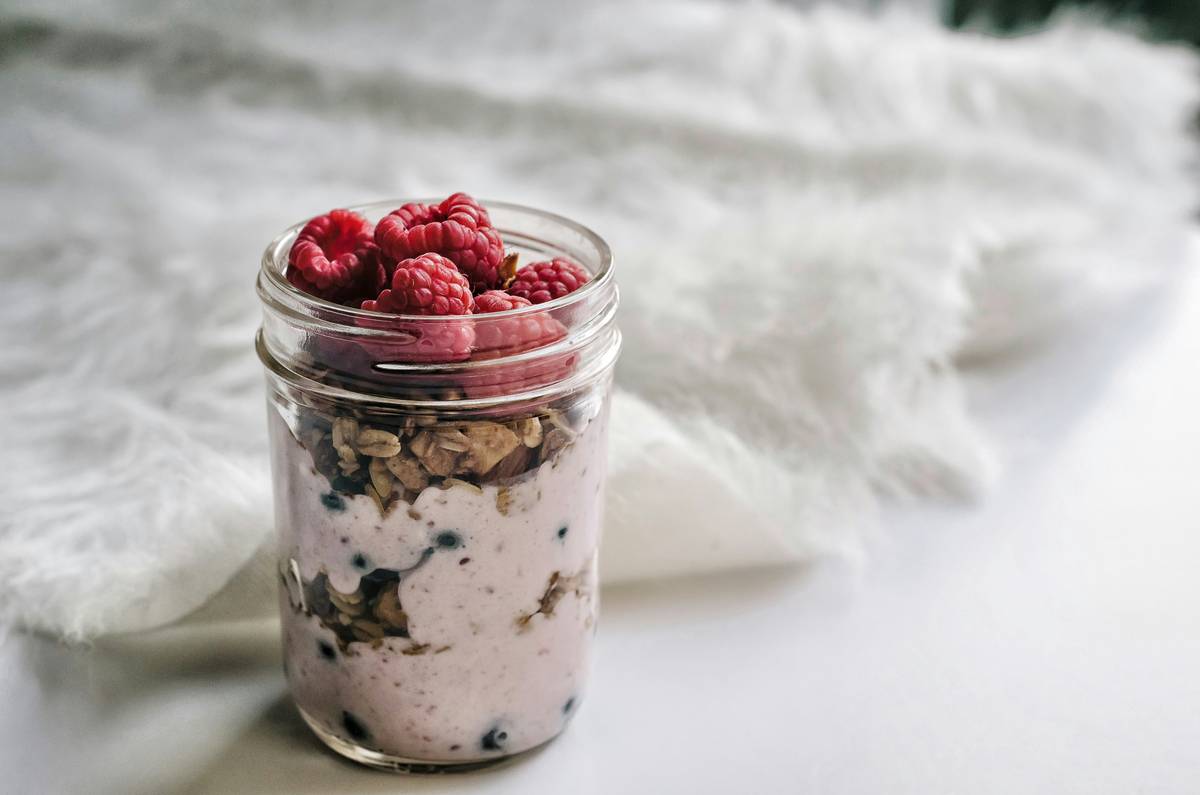
Store-bought yogurt often hides sugar, thickeners, and questionable “live cultures” labels. You think you’re eating clean—but you’re not. And the kicker? Most people overpay for something they can make better, fresher, and cheaper in under 10 minutes of actual work. Enter homemade plain yogurt: a probiotic powerhouse that’s dead simple with the right tool.
Why Store-Bought Yogurt Fails Health-Conscious Buyers
Commercial brands prioritize shelf life—not gut health. They pasteurize twice, nuking fragile probiotics. Then they compensate with “added cultures”—often strains that barely survive stomach acid.
And the texture? Loaded with pectin, gelatin, or cornstarch just to mimic what real fermentation naturally creates.
You pay premium prices for diluted benefits. Worse—you might be feeding sugar-hungry microbes instead of nurturing your microbiome.
How to Unlock Real benefits of plain yogurt Using a Yogurt Maker
Forget boiling milk on the stove and babysitting thermometers. A countertop yogurt maker removes guesswork—and unlocks consistent, potent results.
Choosing Your Starter Culture Matters More Than the Machine
Many DIYers grab a spoonful from their favorite brand as a starter. Big mistake. Commercial starters weaken after 2–3 generations. For stable, diverse probiotics, use a dedicated heirloom starter—or freeze-dried sachets labeled “reusable.”
The Milk Myth: Not All Bases Are Equal
Organic whole milk delivers the creamiest texture and richest fat-soluble vitamins. But ultra-pasteurized (UHT) milk? Avoid it. The proteins are too denatured to coagulate properly—leading to thin, sour sludge no matter how long you incubate.
Incubation Time = Flavor + Acidity Control
Run your machine 6 hours? Mild, sweet yogurt. Push to 12? Tart, thick, and loaded with lactic acid—ideal for digestion but harsh for kids. The sweet spot? 8–9 hours at 110°F (43°C). That’s where probiotic diversity peaks without turning mouth-puckering.
| Method | Active Time | Cost per Batch | Probiotic Viability |
|---|---|---|---|
| Store-Bought (Premium Brand) | 0 min | $3.50–$5.00 | Low–Moderate (often <1B CFU/g) |
| Stovetop + Cooler | 20 min + monitoring | $1.20 | Moderate (heat fluctuation kills strains) |
| Countertop Yogurt Maker | 8 min setup | $0.90 | High (stable temp = 10B+ CFU/g) |
The Industry Secret: Yogurt Makers Are Underused Probiotic Labs
Here’s what appliance manuals won’t tell you: your yogurt maker isn’t just for dairy. Skilled home fermenters use it to activate water kefir grains, culture vegan cashew yogurt with specific Lactobacillus strains, and even proof sourdough starters in winter.
But the real edge? Timing secondary ferments. After the initial 8-hour cycle, add prebiotic fibers—like inulin or green banana flour—and let it sit another 2 hours. This “post-biotic” phase boosts short-chain fatty acids your colon loves. Most probiotic supplements can’t replicate that synergy.
Think about it: you’re not just making breakfast. You’re engineering functional food.
Frequently Asked Questions
Is plain yogurt really better than flavored?
Yes—flavored versions average 15–20g added sugar per serving. Plain yogurt has zero. You control sweetness with fruit or honey—without compromising gut flora.
Can I reuse store-bought yogurt as a starter indefinitely?
No. Commercial strains degrade fast. After 2–3 batches, acidity drops and texture thins. Switch to a reusable heirloom culture for consistent results.
Does homemade plain yogurt have more probiotics?
Absolutely—when made correctly. Lab tests show 10–100x more live cultures than most store brands, especially if fermented 8+ hours at steady temperature.