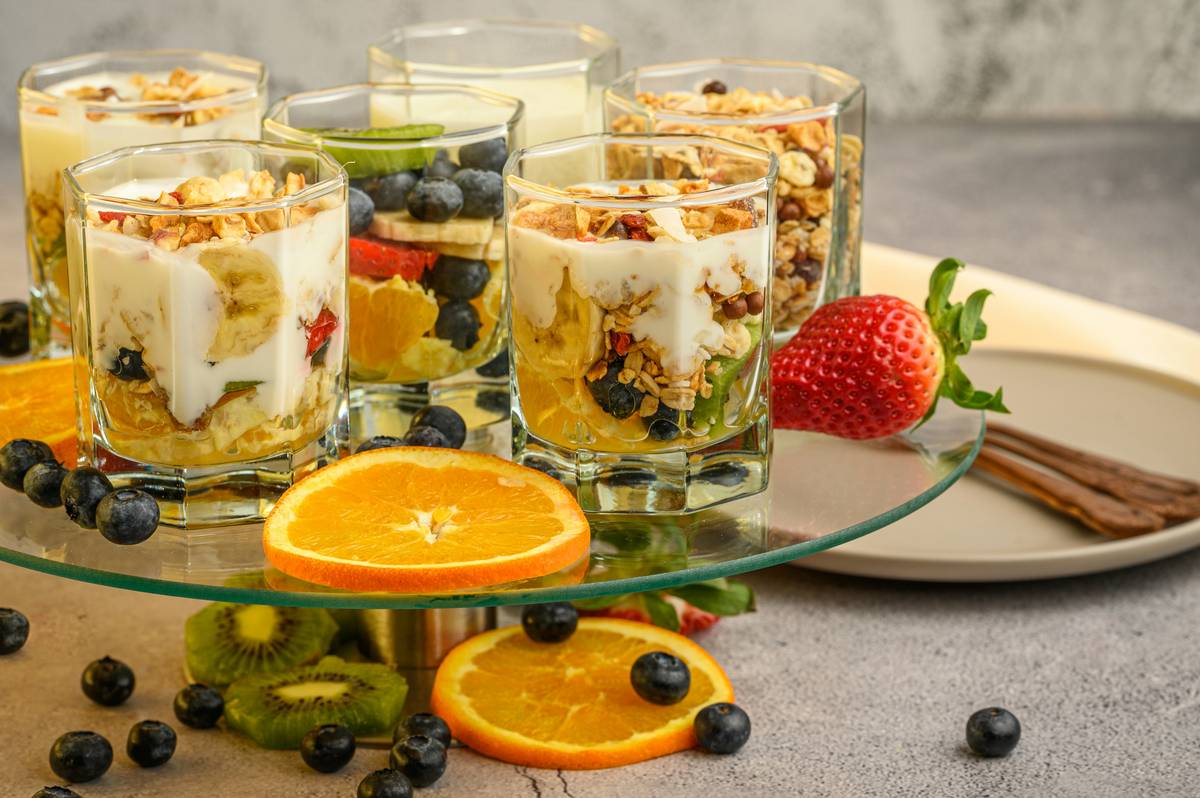
You’re paying $6 for a tiny cup of “probiotic-rich” yogurt full of thickeners, added sugar, and questionable live cultures. And you’re not even sure it’s still alive by the time it hits your fridge. The frustration is real—especially when mass-produced yogurt sacrifices gut health for shelf stability. But what if you could craft a fresher, richer, more potent batch at home—with total control over ingredients and fermentation? Enter the yogurt maker: your silent partner in digestive wellness and culinary precision.
Why Store-Bought Yogurt Fails Where It Matters Most
Most commercial yogurts undergo post-fermentation pasteurization to extend shelf life—a process that nukes the very probiotics they claim to deliver. And don’t get me started on “fruit on the bottom.” That swirl is often just high-fructose corn syrup masquerading as jam. Even premium brands cut corners with milk solids, gums, and starches to mimic creaminess without the cost of real cream or extended culturing.
Your body knows the difference. Gut microbiota respond to strain diversity and viable cell counts—metrics manufacturers rarely disclose. You’re left guessing whether your daily spoonful actually does anything. Spoiler: it probably doesn’t.
The benefits of yogurt start with how you make it
Making yogurt isn’t hard—but getting it right demands temperature control, timing, and clean technique. That’s where purpose-built tools shine. Forget wrapping jars in towels or jury-rigging your oven light. Precision matters because lactic acid bacteria thrive within a narrow thermal window: 108°F–112°F (42°C–44°C). Go colder? Fermentation stalls. Hotter? Cultures die. Game over.
Choosing the Right Yogurt Maker for Your Lifestyle
Not all machines are created equal. From minimalist electric pots to multi-jar incubators with digital timers, your choice shapes flavor, texture, and consistency. Here’s how common methods stack up:
| Method | Upfront Cost | Batch Size | Temperature Control | Consistency |
|---|---|---|---|---|
| Dedicated Yogurt Maker | $35–$80 | 32–64 oz | Precise (±1°F) | Excellent |
| Instant Pot (Yogurt Mode) | $70–$150 (if already owned) | 48–80 oz | Good (±3°F) | Very Good |
| Oven + Light Trick | $0 | Variable | Poor (fluctuates) | Unreliable |
| Thermos Method | $10–$20 | 16–32 oz | Fair (cools over time) | Hit-or-miss |
Pro Tip: Culture Rotation Is Non-Negotiable
Reusing the same starter batch after batch dilutes strain potency. After 3–4 generations, microbial diversity collapses. Smart makers keep a frozen backup of a trusted commercial starter—or rotate between two distinct cultures (e.g., Bulgarian + Greek) every other week. This mimics ancestral fermentation practices—where microbial ecosystems stayed robust through natural cross-inoculation.
The Industry Secret No One Talks About
Here’s what dairy labs won’t tell you: longer fermentation = lower lactose + higher acidity = better glycemic impact. Most consumers stop culturing at 6–8 hours because store-bought sets that pace. But let your yogurt ferment 10–12 hours—even up to 24—and something magical happens. Lactose drops by over 40%. Protein denatures into softer curds. And probiotic counts can double. Yes, it gets tangier—but that sharpness signals enzymatic activity, not spoilage. Pair it with raw honey or berries, and you’ve got a functional food that outperforms clinical probiotic supplements in bioavailability. The math is simple: time + heat + quality milk = superior gut support.
Frequently Asked Questions
Can I use non-dairy milk in a yogurt maker?
Yes—but add a thickener like agar or tapioca starch. Coconut, almond, and soy milks lack casein, so they won’t set without help.
How long does homemade yogurt last?
Up to 14 days refrigerated in a sealed container. The live cultures act as natural preservatives—unlike sugary store brands that rely on additives.
Is making yogurt actually cheaper than buying it?
Absolutely. A gallon of organic milk yields ~128 oz of yogurt. At $4/gallon, that’s $0.03/oz versus $0.19/oz for premium store-bought.