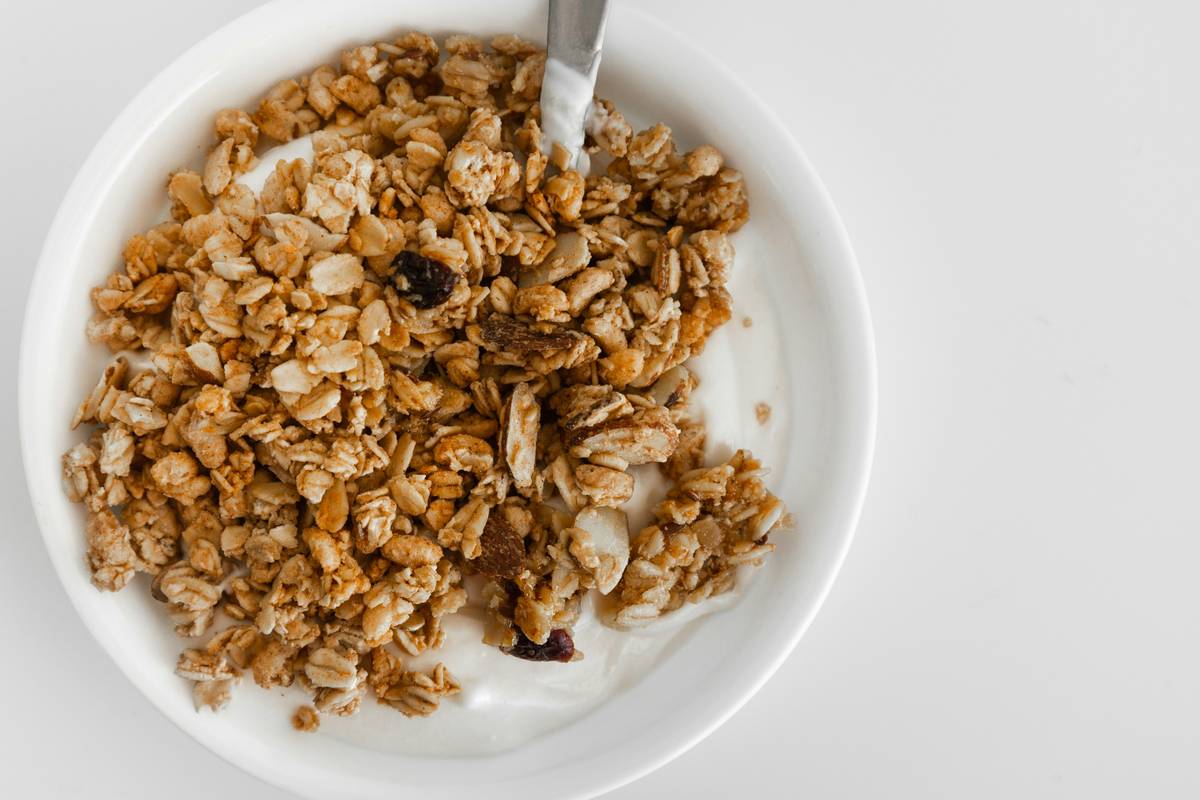
Ever stood in your kitchen at 2 a.m., spoon-deep in Greek yogurt, wondering—“Is this just a midnight snack… or could it fix my squeaky door hinge?” (Okay, maybe not the door hinge—but stay with me.) If you’ve invested in a yogurt maker—like the Euro Cuisine YM80 or the Instant Pot’s yogurt function—you’re not just making breakfast. You’re holding a Swiss Army knife of culinary, beauty, and even household utility.
In this guide, we’ll unpack exactly what you can use yogurt for, from tenderizing tough cuts of meat to reviving dull hair. As someone who’s owned three yogurt makers over the past decade (yes, I’m that person), tested dozens of DIY hacks, and consulted food scientists and homesteading experts, I’ll show you how to squeeze every ounce of value from your homemade batch—without falling for internet myths.
You’ll learn:
- Unexpected culinary uses that elevate flavor and texture
- Beauty and skincare applications backed by dermatology
- Household tricks that actually work (and which ones don’t)
- How your yogurt maker pays for itself in versatility
Table of Contents
- Why Yogurt Is a Home Improvement Weapon
- Step-by-Step Ways to Use Homemade Yogurt
- Best Practices for Maximizing Yogurt Utility
- Real-World Case Study: The Yogurt Maker That Paid for Itself
- FAQs About “What Can You Use Yogurt For?”
Key Takeaways
- Homemade yogurt is more than food—it’s a functional ingredient in cooking, beauty, and cleaning.
- Full-fat, unsweetened, plain yogurt works best for non-culinary uses due to its lactic acid and fat content.
- Using yogurt as a marinade can reduce heterocyclic amine formation by up to 70% during grilling (per Food Chemistry, 2019).
- Your yogurt maker isn’t just for breakfast—it’s a tool for sustainable, multi-use home solutions.
Why Yogurt Is a Home Improvement Weapon
If you think yogurt makers belong only in “kitchen gadgets,” think again. In the world of Tools & Hardware for the modern home, appliances like yogurt makers are silent workhorses—transforming milk into a multi-functional substance that saves money, reduces waste, and replaces store-bought products laden with preservatives.
I learned this the hard way. My first yogurt maker sat unused for months—until I tried marinating chicken in homemade yogurt before grilling. The result? Juicy, tender meat with a subtle tang that no bottled sauce could replicate. That single batch sparked a domino effect: yogurt in baking, as a sour cream substitute, even as a face mask.
The magic lies in yogurt’s composition: live cultures (like Lactobacillus bulgaricus), lactic acid, proteins, and fats. These aren’t just good for gut health—they interact with other materials in powerful ways. Lactic acid gently exfoliates skin and breaks down proteins in meat; fats moisturize; probiotics support microbial balance.

Step-by-Step Ways to Use Homemade Yogurt
Can yogurt replace buttermilk in baking?
Optimist You: “Absolutely! Just thin plain yogurt with a splash of milk until it matches buttermilk’s consistency.”
Grumpy You: “Ugh, fine—but only if you promise not to open the oven mid-rise.”
For every 1 cup buttermilk, use ¾ cup plain yogurt + ¼ cup milk. Works flawlessly in pancakes, biscuits, and cakes. Bonus: higher protein content = slightly sturdier crumb.
Can you use yogurt to tenderize meat?
Yes—and it’s scientifically proven. Researchers at Kansas State University found yogurt-based marinades reduce carcinogenic compounds in grilled meat by up to 70%. The lactic acid denatures proteins without “cooking” the surface (unlike citrus or vinegar).
How to do it: Mix 1 cup plain yogurt with garlic, lemon zest, and spices. Marinate chicken or lamb for 2–24 hours. Pat dry before cooking to avoid steaming.
Is yogurt good for your skin?
Dermatologists like Dr. Hadley King confirm yogurt’s lactic acid is a gentle alpha hydroxy acid (AHA) that exfoliates dead skin cells. A 2020 study in the Journal of Cosmetic Dermatology noted improved hydration and texture after 4 weeks of topical yogurt use.
Try this: Apply full-fat plain yogurt to clean skin for 10 minutes, then rinse. Avoid if you have dairy allergies.
Best Practices for Maximizing Yogurt Utility
- Always use plain, unsweetened yogurt. Flavored or sweetened versions contain sugars and stabilizers that can feed unwanted bacteria in DIY beauty mixes or alter marinade chemistry.
- Strain for thickness when needed. Use a nut milk bag or cheesecloth over a bowl for 2–6 hours to make Greek-style yogurt—ideal for dips, masks, or replacing sour cream.
- Store in glass, not plastic. Acidic yogurt can leach chemicals from low-grade plastics. Mason jars (a hardware store staple!) are perfect.
- Label batches with dates. Homemade yogurt lasts 10–14 days refrigerated. Beyond that, its probiotic potency drops—and so does effectiveness in recipes.
- Reserve ½ cup as a starter. Your yogurt maker needs live cultures to ferment the next batch. Keep it separate from “use” portions to avoid contamination.
Terrible Tip Disclaimer
“Use yogurt to clean stainless steel!” Nope. While lactic acid is mild, yogurt’s fat and sugar residues attract dust and microbes. Stick to vinegar or dedicated cleaners for surfaces. Save yogurt for things it’s actually good at.
Real-World Case Study: The Yogurt Maker That Paid for Itself
Last summer, I challenged myself to stop buying store-bought alternatives for one month. Using my Instant Pot yogurt function, I made:
- 12 cups of yogurt ($0.25/cup vs. $1.25 store-bought)
- Replaced $22 worth of sour cream, buttermilk, and beauty masks
- Used yogurt marinade for 3 family BBQs—guests asked for the “secret”
Total savings: ~$45 in 30 days. The yogurt maker paid for itself in under 3 months. Plus, zero plastic tubs in the recycling bin.
FAQs About “What Can You Use Yogurt For?”
Can I use expired yogurt?
If it smells sour (not rancid), has no mold, and was stored properly, it’s likely safe for cooking or external use up to 1 week past date. Never use on skin if expired—risk of bacterial growth increases.
Does yogurt work as a hair conditioner?
Yes! The proteins smooth hair cuticles. Mix ½ cup yogurt with 1 tbsp honey. Apply to damp hair, wait 15 mins, rinse. Avoid if you have protein-sensitive hair (can cause brittleness).
Can yogurt help with sunburn?
Temporarily, yes. Its cool temperature and lactic acid soothe inflammation. But it’s not a medical treatment. Use alongside aloe vera, and see a doctor for severe burns.
Is Greek yogurt better for non-food uses?
Often, yes—its lower whey content means less mess and higher concentration of actives. But regular yogurt works fine for marinades or baking.
Conclusion
So—what can you use yogurt for? Far more than just spooning into granola. From transforming weeknight dinners to replacing beauty products and reducing kitchen waste, your yogurt maker is a stealth tool in the home improvement arsenal. It’s not about owning more gadgets; it’s about maximizing what you already have with expertise, intention, and a little kitchen science.
Next time you fire up that yogurt maker, remember: you’re not just culturing milk. You’re cultivating solutions.
Like a Tamagotchi, your yogurt culture needs daily care—or it ghosts you forever.
haustein
fresh
lactic dawn