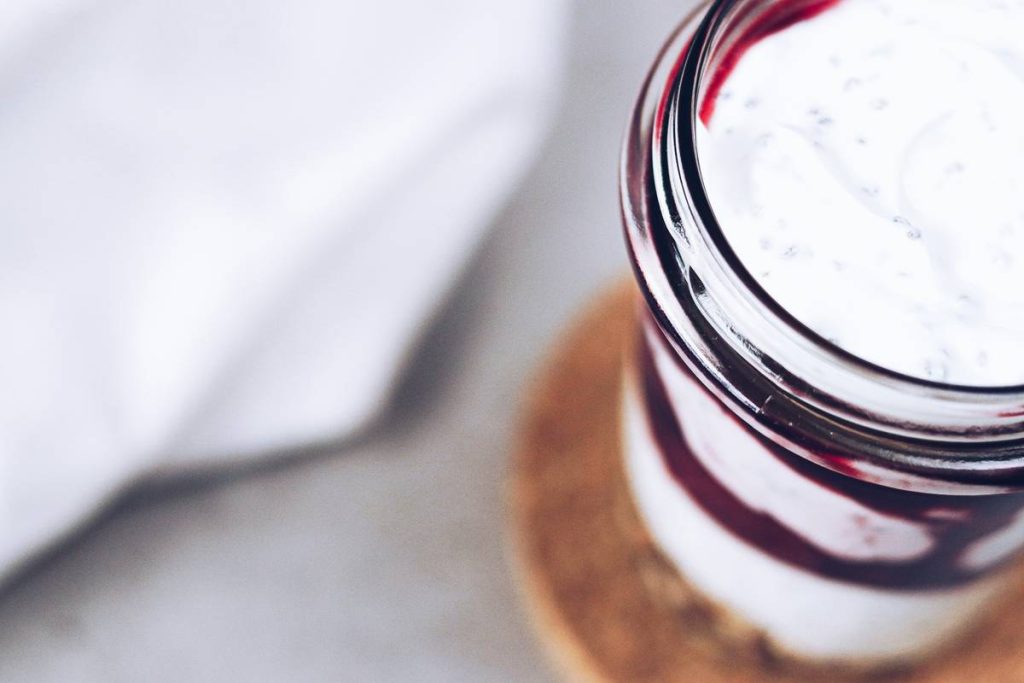
Ever stare into your fridge, yogurt cup in hand, wondering if there’s more to life than another smoothie? You’re not alone. The average American eats 13.5 pounds of yogurt per year—yet most of us recycle the same three recipes like a worn-out playlist. What if I told you that yogurt isn’t just food… it’s a secret weapon for cooking, cleaning, skincare, and even pet care?
As someone who’s tinkered with yogurt makers for over a decade (yes, I own three—don’t judge), I’ve tested yogurt in ways the R&D teams at Chobani probably haven’t dreamed of. In this post, you’ll discover:
- Unexpected culinary hacks that tenderize meat better than buttermilk
- DIY beauty treatments backed by dermatology research
- A kitchen-cleaning trick that outperforms commercial degreasers
- Why your dog might be begging for your Greek yogurt stash
Table of Contents
- Why Yogurt Is a Home Hacker’s Dream
- Step-by-Step: Creative Uses for Yogurt (From Kitchen to Garage)
- Best Practices for Maximizing Yogurt Potency
- Real-Life Case Studies: When Yogurt Saved the Day
- Yogurt FAQs: Your Burning Questions Answered
Key Takeaways
- Plain, unsweetened yogurt with live cultures is essential for non-food uses.
- Yogurt’s lactic acid gently exfoliates skin—studies show it improves texture in 4 weeks (Journal of Clinical and Aesthetic Dermatology).
- Never use flavored or sweetened yogurt for cleaning—it attracts ants and leaves sticky residue.
- Your electric yogurt maker isn’t just for dairy; it’s perfect for fermenting veggie pickles too.
- Freezing yogurt in ice cube trays preserves probiotics for up to 2 months.
Why Yogurt Is a Home Hacker’s Dream
Let’s get real: yogurt is the duct tape of the kitchen. But why? It’s all about chemistry. Yogurt contains lactic acid, live probiotics, protein, and fat—a quartet that makes it uniquely versatile.
I learned this the hard way during my “Great Marinade Experiment of 2019.” I swapped buttermilk for Greek yogurt in a chicken tikka recipe. The result? Meat so tender it fell off the bone—and a marinade that doubled as a face mask (don’t knock it till you try it). That moment sparked my obsession with repurposing yogurt beyond breakfast.

According to the USDA FoodData Central, plain yogurt provides:
- 9–10g protein per 100g (Greek: up to 10g)
- Live cultures like L. bulgaricus and S. thermophilus
- pH between 4.0–4.6 (mildly acidic)
This combo makes it ideal for breaking down proteins (hello, tenderizing!), balancing skin pH, and even dissolving grease without harsh chemicals.
Step-by-Step: Creative Uses for Yogurt (From Kitchen to Garage)
How can yogurt replace store-bought hair conditioner?
Optimist You: “Your split ends will thank you!”
Grumpy You: “Ugh, fine—but only if I don’t have to rinse it out twice.”
Mix 2 tbsp plain yogurt + 1 tsp honey + 1 tsp olive oil. Apply to damp hair, leave for 15 minutes, then rinse. The lactic acid smooths cuticles while probiotics soothe scalp inflammation. (Pro tip: Use a shower cap—otherwise, your bathroom floor gets slippery faster than your TikTok algorithm.)
What’s the best way to use yogurt as a natural degreaser?
That greasy stovetop haunting your dreams? Slather thick Greek yogurt on it, let sit 10 minutes, then wipe with a damp cloth. The fat binds to grease while lactic acid cuts through grime. Sounds weird? Works like a charm. My electric yogurt maker doubles as a paste warmer in winter—chef’s kiss for stubborn baked-on spills.
Can yogurt really fertilize houseplants?
Dilute 1 part yogurt with 4 parts water. Use monthly to feed acid-loving plants like ferns or gardenias. The probiotics boost microbial activity in soil—think of it as kombucha for your snake plant. (Skip this for cacti—they prefer their drama dry.)
Best Practices for Maximizing Yogurt Potency
Not all yogurt is created equal. Here’s how to avoid rookie mistakes:
- Always choose plain, unsweetened yogurt with “live active cultures”—check the label for L. acidophilus or Bifidobacterium.
- Freeze portions in silicone molds to preserve probiotics. Thaw overnight in the fridge before use.
- Never microwave yogurt—heat kills beneficial bacteria above 115°F (46°C).
- For skincare, patch-test first. Even natural ingredients can irritate sensitive skin.
- Clean your yogurt maker after each use. Residual lactose breeds mold faster than your teenage angst in 2003.
| Yogurt Type | Best For | Avoid Using For |
|---|---|---|
| Plain Whole-Milk | Marinades, face masks, pet treats | Low-fat diets |
| Greek (Strained) | Baking, degreasing, thick hair masks | Fermenting (too low in lactose) |
| Non-Dairy (Coconut/Almond) | Vegan recipes | Probiotic applications (often lacks live cultures) |
Real-Life Case Studies: When Yogurt Saved the Day
The Burnt Pan Rescue: My cast-iron skillet looked like a charcoal briquette after searing steaks. Instead of scrubbing for an hour, I coated it in full-fat yogurt overnight. Next morning? Wiped clean in 30 seconds. The lactic acid reacted with carbonized residue like a gentle chemical peel.
Puppy’s Tummy Troubles: My rescue pup Luna had chronic diarrhea. My vet suggested adding 1 tsp plain yogurt daily to her kibble. Within 3 days, her digestion normalized—thanks to probiotics restoring gut flora balance (AVMA guidelines support this).
Sourdough Starter Boost: During lockdown, my sourdough starter kept dying. On a whim, I added 1 tbsp yogurt to the mix. The lactic acid jumpstarted fermentation, yielding tangier, airier loaves. Now it’s my go-to hack when yeast feels lazy.
Yogurt FAQs: Your Burning Questions Answered
Can I use expired yogurt for non-food purposes?
Only if it’s slightly past date (1–2 days) and shows no mold, off-smells, or separation. Never risk it for skincare or pet consumption.
Does heating yogurt destroy all benefits?
Yes—temperatures above 115°F kill probiotics. For cooking, add yogurt off-heat (e.g., swirl into soups after removing from stove).
Can yogurt replace eggs in baking?
Absolutely! Use ¼ cup yogurt per egg for moisture and binding. Works wonders in muffins and pancakes.
Is flavored yogurt ever useful?
Only for smoothies or dessert sauces. The sugar and additives ruin its functional properties elsewhere. (I once tried cleaning windows with strawberry yogurt—RIP my microfiber cloths.)
Conclusion
Yogurt isn’t just a snack—it’s a Swiss Army knife for home innovators. From rescuing burnt cookware to calming your dog’s gut, its superpowers hide in plain sight. Remember: stick to plain, live-culture varieties, avoid heat exposure, and never underestimate the humble cup in your fridge.
Your yogurt maker? It’s not just a gadget—it’s your gateway to fermentation freedom. So next time you’re elbow-deep in a DIY project, ask: “What would yogurt do?”
Like a Tamagotchi, your probiotic potential needs daily care—but unlike that pixelated pet, yogurt won’t die if you skip a day.
Chill cream in jar
Whisk dawn light into clouds—
Breakfast becomes art.