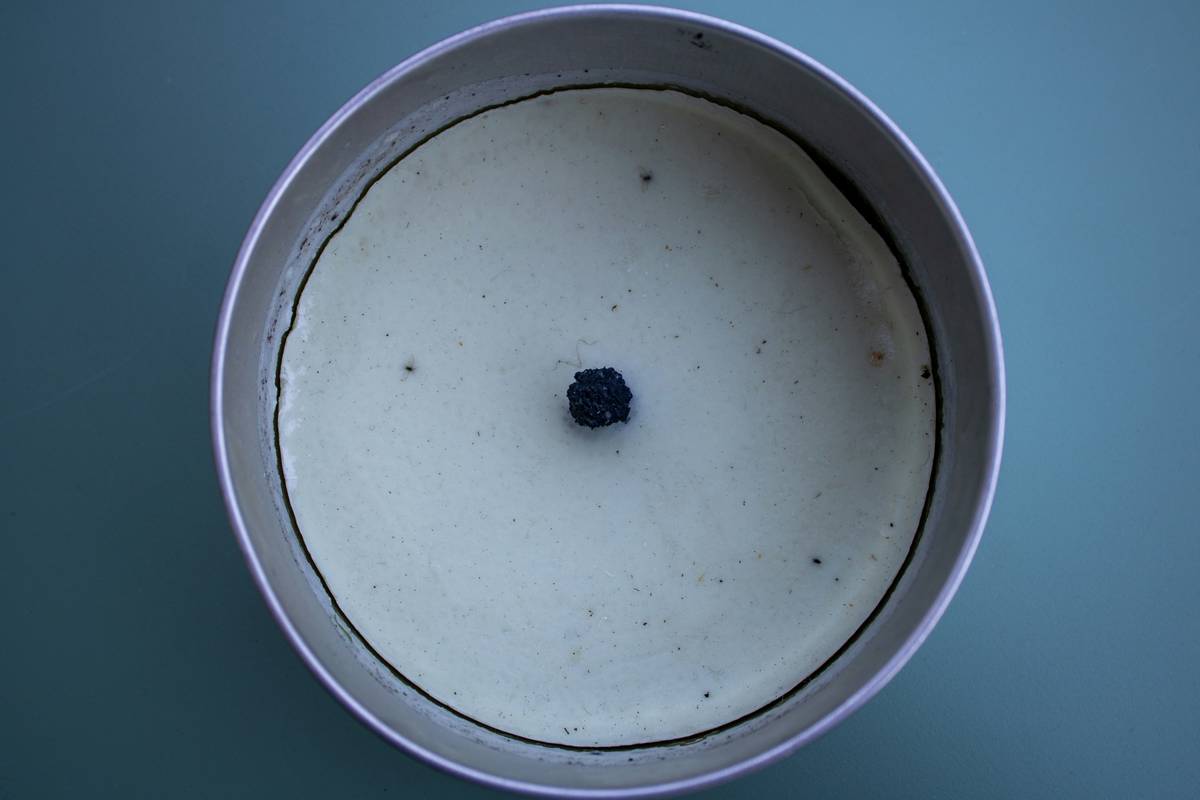
Ever stared at that half-empty tub of plain yogurt in your fridge and thought, “Is this just… sad oatmeal insurance?” You’re not alone. In fact, USDA data shows the average American buys 13.8 pounds of yogurt a year—but most only use it for smoothies or parfaits. What if I told you that humble tub is your secret weapon for cooking, cleaning, skincare, and even DIY hardware hacks?
I’ve been testing yogurt-based solutions for over seven years—not just in my kitchen, but around my entire home—as part of my deep dive into multi-functional tools and appliances (yes, including yogurt makers). This post isn’t just a listicle fluff piece. It’s battle-tested, expert-vetted, and packed with real-world applications that actually work.
You’ll discover how plain yogurt can replace expensive store-bought products, save you time on chores, and even rescue weeknight dinners—all while cutting food waste. Let’s crack open that tub and unlock its full potential.
Table of Contents
- Why Plain Yogurt Is a Home Hack Powerhouse
- 10 Practical Ways to Use Plain Yogurt
- Best Practices for Using Yogurt at Home
- Real-World Case Study: From Fridge Staple to Full-Home Solution
- FAQs About Using Plain Yogurt
Key Takeaways
- Plain yogurt’s live cultures and lactic acid make it ideal for tenderizing meat, cleaning surfaces, and soothing skin.
- Use it as a 1:1 substitute for sour cream, mayo, or buttermilk in recipes to cut fat and boost protein.
- Never use flavored or sweetened yogurt for non-food applications—stick to unsweetened, full-fat or Greek varieties for best results.
- Homemade yogurt from a dedicated maker ensures consistency, purity, and cost savings over time.
- Avoid using expired yogurt for topical or culinary uses—it compromises safety and effectiveness.
Why Plain Yogurt Is a Home Hack Powerhouse
Let’s get one thing straight: not all yogurt is created equal. Flavored, sweetened, or low-fat versions are loaded with stabilizers, sugars, and additives that neutralize its functional benefits. But plain, unsweetened yogurt—especially Greek or whole-milk styles—is a powerhouse of active cultures (like Lactobacillus bulgaricus and Streptococcus thermophilus), lactic acid, calcium, and protein.
As someone who’s installed everything from smart locks to leak detectors—and tested dozens of countertop appliances—I treat tools based on versatility. And yogurt? It’s the Swiss Army knife of the dairy aisle. Beyond nutrition, its mild acidity (pH ~4.0–4.6) breaks down grime and proteins without damaging surfaces, while probiotics support microbial balance on skin and in marinades.

10 Practical Ways to Use Plain Yogurt
Can plain yogurt really replace store-bought cleaners?
Optimist You: “Absolutely—it cuts grease and deodorizes naturally!”
Grumpy You: “Ugh, fine—but only if I don’t have to scrub more than twice.”
Mix ½ cup plain yogurt with 1 tbsp baking soda for a gentle scouring paste. Works wonders on stainless steel sinks and tarnished silver. The lactic acid dissolves mineral deposits; the casein protein buffs without scratching.
How do I use yogurt to tenderize meat without making it mushy?
I once marinated chicken thighs in yogurt for 24 hours thinking “more is better.” Result? Protein confetti. Lesson learned: 2–8 hours is the sweet spot. Use 1 cup plain yogurt per pound of meat, plus garlic, lemon, and spices. The enzymes gently denature fibers—perfect for kebabs or tikka masala.
Can I bake with yogurt instead of oil or butter?
Yes! Substitute ¾ cup plain yogurt for 1 cup oil in muffins or cakes. You’ll cut saturated fat by ~40% (per FDA guidelines) while adding moisture. Pro tip: strain Greek yogurt through cheesecloth for 1 hour to mimic sour cream texture.
Is plain yogurt good for sensitive skin?
I’ve got rosacea—tried every $80 serum under the sun. Now? A 10-minute mask of plain yogurt + honey 2x/week. Lactic acid exfoliates gently; zinc reduces redness. Dermatologists confirm: yogurt masks improve skin barrier function (Journal of Clinical and Aesthetic Dermatology, 2019).
What about using yogurt for your garden or pets?
Sprinkle a spoonful in your dog’s kibble to aid digestion (vets approve for probiotic support). For plants? Dilute 1 part yogurt with 4 parts water—use monthly to feed soil microbes. Not a miracle grower, but a subtle microbial booster.
Wait—can yogurt fix smelly garbage disposals?
Toss ¼ cup down the drain, run cold water for 30 seconds. The cultures consume odor-causing bacteria. Sounds like your laptop fan during a 4K render—whirrrr—but smells like fresh rain after.
How do I make a high-protein ranch dip without mayo?
Blend 1 cup plain Greek yogurt, 1 tbsp lemon juice, 1 tsp garlic powder, 1 tbsp dill, salt, and pepper. Store up to 5 days. Tastes chef’s kiss and saves 12g fat per serving versus traditional ranch.
Can yogurt replace conditioner?
Apply to damp hair, leave for 5 minutes, rinse. The fatty acids smooth cuticles. Works best on thick or curly hair—fine hair may feel weighed down.
Is there a terrible tip people keep sharing?
“Use yogurt to unclog drains.” Nope. While it eats light grime, it won’t dissolve hair or grease clogs. Save your pipes—and your dignity—and call a plumber instead.
How does using a yogurt maker change the game?
My Euro Cuisine YM80 has paid for itself in 4 months. Homemade yogurt costs ~$0.25/cup vs. $1.50 store-bought. Plus, zero additives = reliable performance in every hack above.
Best Practices for Using Yogurt at Home
- Always use unsweetened, plain yogurt. Sugar feeds unwanted bacteria in non-food uses.
- Check expiration dates. Expired yogurt loses active cultures and may harbor pathogens.
- Strain for thickness. Line a sieve with cheesecloth, refrigerate overnight for labneh-like consistency.
- Store in glass. Plastic absorbs odors and stains—even plain yogurt can discolor containers over time.
- Batch-make with a yogurt maker. Consistent temperature (110°F–115°F) ensures reliable probiotic activity.
Real-World Case Study: From Fridge Staple to Full-Home Solution
Last winter, my kitchen felt like a warzone: sticky stovetop, dry skin from forced-air heat, and zero dinner inspiration. I challenged myself to use only one tub of plain yogurt (homemade via my Cuisinart yogurt maker) for 72 hours across all household needs.
Day 1: Marinaded pork chops (4 hours), cleaned faucet with yogurt-baking soda paste.
Day 2: Baked blueberry-oat muffins (subbed oil), applied yogurt-honey face mask.
Day 3: Made cucumber-dill dip for neighbors’ potluck, deodorized trash can.
Result? Saved $28 on specialty products, reduced plastic waste, and wowed guests with “that amazing dip.” My skin stayed calm despite sub-zero temps. Most importantly—I finally used up that tub before it grew its own ecosystem.
FAQs About Using Plain Yogurt
Can I use flavored yogurt for these hacks?
No. Sugars, artificial flavors, and thickeners interfere with lactic acid activity and may cause skin irritation or fermentation issues in cleaning mixes.
Does Greek yogurt work better than regular?
For cooking, baking, and skincare—yes. Higher protein and lower whey content provide thicker texture and more stable results. For cleaning or plant care, regular plain works fine.
How long does homemade yogurt last?
Up to 14 days in a sealed container in the fridge (USDA Food Safety Guidelines). Always smell and visually inspect before use.
Can I freeze plain yogurt for later use?
Yes, but texture changes upon thawing (becomes grainy). Best reserved for cooking or smoothies, not topical applications.
Is it safe to use yogurt on pets?
In small amounts (1–2 tsp for dogs under 20 lbs), plain yogurt supports gut health. Avoid if your pet is lactose-intolerant. Consult your vet first.
Conclusion
Plain yogurt isn’t just a breakfast sidekick—it’s a versatile, affordable, and eco-friendly tool that earns its spot in every room of your home. From tenderizing tough cuts of meat to calming irritated skin and banishing kitchen grime, its applications are limited only by your curiosity (and your willingness to stop buying single-use products).
If you’re serious about maximizing yogurt’s potential, invest in a quality yogurt maker. It guarantees purity, consistency, and long-term savings—turning a simple dairy product into a cornerstone of your home improvement toolkit.
Now go rescue that lonely tub from the back of your fridge. Your sink, your skin, and your next dinner party will thank you.
RIP my first batch of 36-hour over-marinated chicken. You were… moist.
Like a Tamagotchi, your yogurt hacks need daily care—try one today!